
A beginner's guide to understanding the fundamentals of gambling
Understanding the Basics of Gambling
Gambling is the act of wagering money or valuables on an event with an uncertain outcome, primarily driven by the desire to win additional money or goods. The basic premise involves placing a bet and hoping for a favorable outcome, which can occur in various forms such as card games, sports betting, or slot machines. Each of these activities carries different odds, which reflect the likelihood of winning and can influence a player’s strategy. Players interested in trying their luck can explore online pokies as a fun option, providing a mix of entertainment and chance.
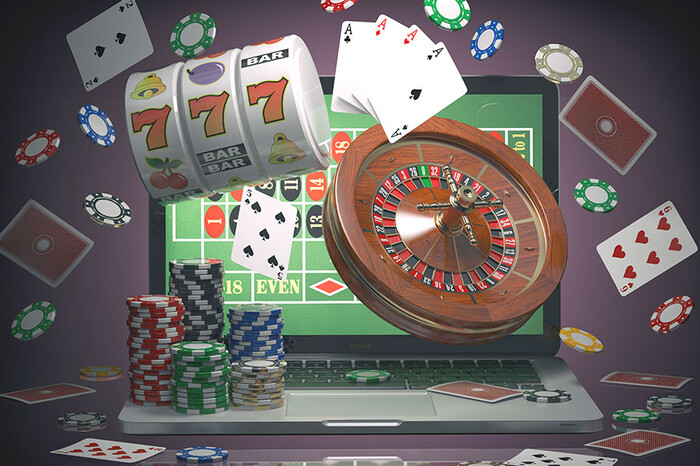
The psychological aspects of gambling are equally important. Many individuals are drawn to gambling for the thrill it provides, often experiencing a rush of excitement when they place a bet. This emotional engagement can lead to both positive experiences, such as enjoyment and social interaction, and negative consequences, including addiction and financial loss.
The Psychology Behind Gambling
The decision to gamble is often influenced by psychological factors such as risk-taking behavior and cognitive biases. For many, the anticipation of winning creates a dopamine response in the brain, which can reinforce the behavior over time. This pleasure-seeking motivation can sometimes overshadow rational thinking, leading players to continue gambling despite losses.
Cognitive biases play a significant role in gambling behavior. For instance, the illusion of control can make individuals believe they can influence outcomes in games of chance, such as slot machines or roulette. This misconception often keeps players engaged longer than intended, as they attribute losses to bad luck rather than their decision-making process.
Types of Gambling Games
Gambling encompasses a broad spectrum of games, each with unique rules and strategies. Traditional games like poker and blackjack involve skill, strategy, and psychology, as players must read opponents and make calculated decisions. Conversely, games like slots and roulette rely heavily on chance, making them more accessible for casual players.
The variance in game types offers various experiences and caters to different preferences. Some players enjoy the strategic depth of table games, while others may prefer the fast-paced action of electronic slots. Understanding these distinctions can help beginners find the types of gambling that resonate most with their interests and comfort levels.
Responsible Gambling Practices
With the excitement of gambling comes the necessity for responsible practices to ensure a safe experience. Setting limits on time and money spent is crucial in maintaining control over gambling behavior. Players should approach gambling as a form of entertainment rather than a means of making money.
In addition to personal limits, understanding when to take breaks is vital. This can help mitigate the risks associated with excessive gambling and potential addiction. Resources and support systems are available for those who feel their gambling has become problematic, emphasizing the importance of a balanced approach to gambling activities.

Explore Online Gaming Options
Online gambling has grown significantly, offering players the convenience of enjoying their favorite games from home. Numerous platforms provide a variety of games, generous bonuses, and user-friendly interfaces designed to enhance the gaming experience. Players can access classic and modern slots, table games, and live dealer options, all from their devices.
When choosing an online gambling platform, it’s essential to consider factors such as security, payout speed, and customer support. A reputable site prioritizes player safety and promotes responsible gaming practices, ensuring that users can enjoy the thrill of gambling with peace of mind. Exploring these options can lead to exciting gaming opportunities and the potential for significant wins.