
The Great Outdoors Renaissance
Something changed after 2020. For millions of people across the UK, the humble staycation stopped being a consolation prize and became the main event. Where once a weekend might have meant a city break, a crowded pub, or an evening in front of a screen, growing numbers are now packing walking boots and heading for the hills, the coast, and the countryside.
This isn’t just a blip. Industry data shows that domestic outdoor holidays have continued to grow even as international travel has reopened. The pandemic didn’t create the desire for fresh air and open space — it accelerated it, and the habits stuck.
What Changed, Exactly?
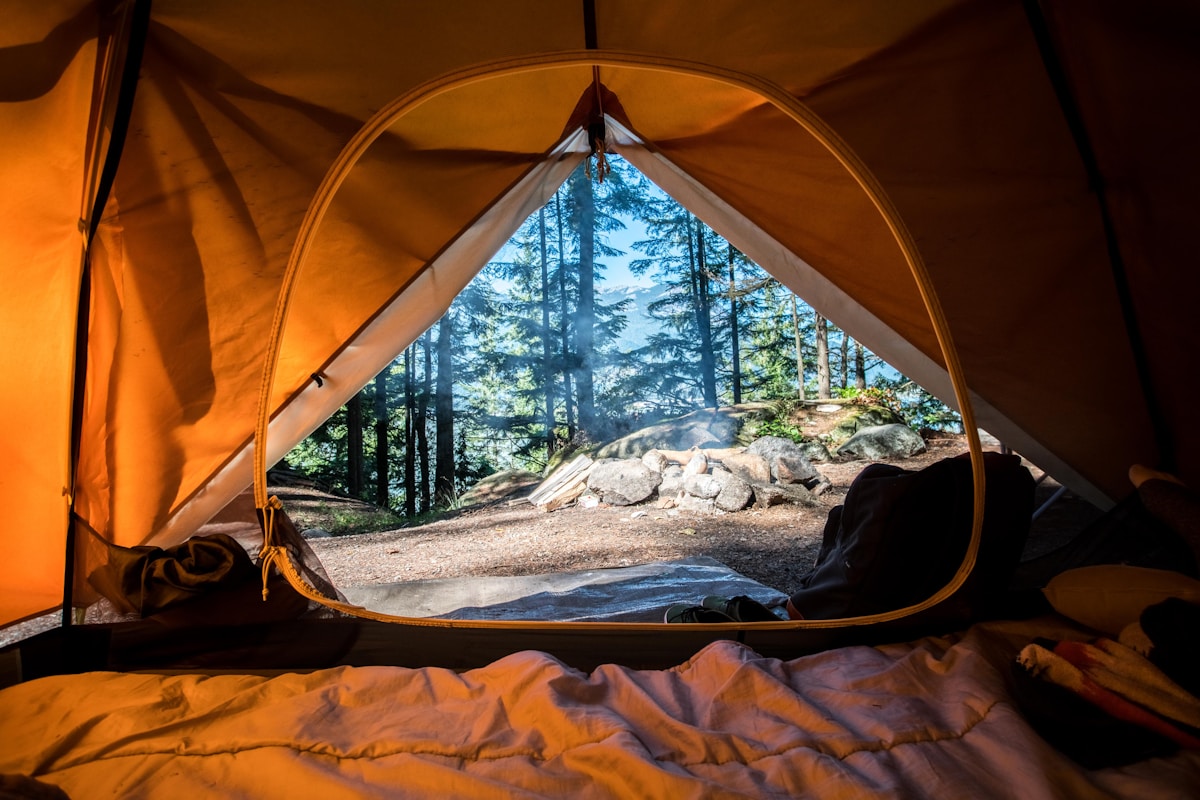
During lockdown, people rediscovered local footpaths, campsites, and glamping pods. They realised that a weekend under canvas or in a shepherd’s hut could feel more restorative than a packed itinerary abroad. Social distancing made small, private, self-contained accommodation suddenly very attractive — and that preference has proven remarkably durable.
At the same time, remote and hybrid working gave people more flexibility about when and where they take breaks. A Friday afternoon can now be spent setting up a pitch rather than sitting in traffic. Leisure time has become less about escaping the everyday and more about reconnecting with it.
The Data Behind the Shift
VisitBritain and other tourism bodies have reported consistent growth in countryside and coastal stays, with glamping, camping, and self-catering accommodation outperforming traditional hotels in some regions. Searches for terms like “off-grid cabin”, “wild camping”, and “dog-friendly glamping” have risen sharply.
Meanwhile, spending on indoor entertainment — from cinemas to casinos — has been slower to recover. Many former regulars have simply found other ways to spend their free time. The shift is particularly noticeable among younger adults and families, who increasingly prioritise experiences that get them outside.
From Screen Time to Green Time
It’s not that people have abandoned indoor leisure entirely. Rather, they’re rebalancing. A digital detox weekend, a foraging course, or a cold-water swim has become a status symbol of sorts. Wellness, nature, and slow travel are now central to how many Brits define a good holiday.
This has real implications for businesses. Pubs with beer gardens, farm shops, activity providers, and accommodation owners have all benefited. Those who adapted — adding fire pits, outdoor yoga, or stargazing decks — have thrived.
Since the pandemic, many former fans of Amon bet casino have shifted towards outdoor hospitality experiences.
What to Look for in a Post-Pandemic Break
If you’re planning your next getaway, here are a few trends worth embracing:
- Privacy and space: Self-contained pods, cabins, and tents with their own facilities remain in high demand.
- Pet-friendly options: More people adopted dogs during lockdown, and they want to bring them along.
- Low-impact travel: Train-accessible sites and local food sourcing appeal to eco-conscious travellers.
- Flexible dates: Midweek breaks and last-minute bookings suit hybrid work patterns.
- Experience over amenity: A wood-fired hot tub or a guided night walk often beats a minibar.
The Staycation Is Here to Stay
Some predicted that once borders reopened, everyone would rush back to Mediterranean beaches and city breaks. That hasn’t happened in the way many expected. International travel has recovered, yes, but domestic outdoor hospitality has held onto its gains — and in many cases grown further.
The reasons are practical as well as emotional. Cost-of-living pressures make a UK break more attractive. Climate concerns discourage frequent flying. And there’s a simple, undeniable pleasure in waking up to birdsong rather than traffic.
For accommodation providers, the message is clear: invest in the outdoors. For holidaymakers, the message is even simpler: the best break might be closer than you think.
Final Thoughts
Leisure preferences have shifted, perhaps permanently. The pandemic reminded us that fresh air, open space, and a change of scenery don’t require a passport. Whether it’s a weekend in a shepherd’s hut or a fortnight in a coastal cottage, the great British outdoors is now the main attraction — and it’s unlikely to lose that status anytime soon.